Content Writer
Indonesia reached a new milestone in April 2025 when UNESCO officially recognized Kebumen Geopark in Central Java and Meratus Geopark in South Kalimantan as part of the UNESCO Global Geoparks Network. This recognition highlights Indonesia’s unique natural landscapes and rich geological heritage, while also strengthening the nation’s presence on the international stage.
Why UNESCO Global Geoparks Matter?
According to UNESCO, the areas recognized as UNESCO Global Geoparks (UGGp) can drive local innovation, create new jobs, and increase geotourism revenue, all while ensuring that landscapes remain protected. To qualify, a geopark must:
- Contains geological heritage of international value
- Promote conservation, education, and sustainable development, with strong involvement of local communities
- Showcase biodiversity and cultural heritage that reflect the region’s unique identity
Indonesia’s geoparks meet these criteria while also offering distinctive features that make them globally significant.
What Makes Kebumen Geopark Unique?
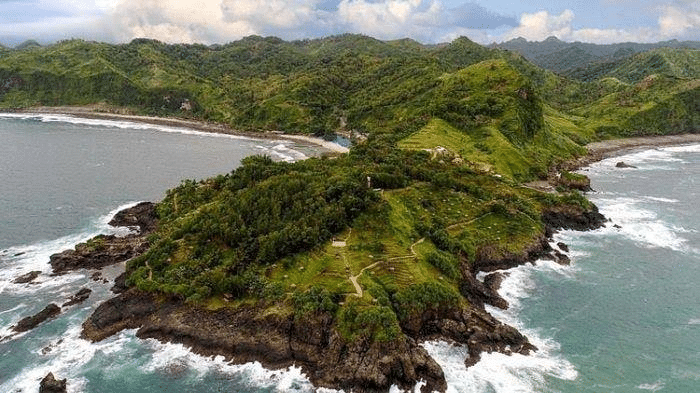
Known as “The Mother of Earth,” Kebumen Geopark preserves geological formations more than 119 million years old. The rock formations reveal the ancient tectonic collision between the Indian Ocean Plate and the Asian Continent that is shaped by uplift and volcanism into landscapes of global geological significance.
One of the most remarkable sites is the karst landscape of South Gombong, with cone-shaped hills, hundreds of caves, and underground rivers that form a unique ecosystem. Over millions of years, geological processes formed features such as Lava Bantal and Lincak Merah rocks, coastal columnar joints, the Karangbolong tectonic fault site, and natural hot springs, showcasing the area’s rich geological heritage.
Beyond its geological wonders, Kebumen Geopark empowers local communities through sustainable tourism such as geotourism, ecotourism, and cave community exploration. Education programs in schools and public spaces also build awareness of conservation and disaster resilience. Today, Kebumen stands as both a living classroom for Earth sciences and a model for community-driven sustainability.
What Makes Meratus Geopark Special?
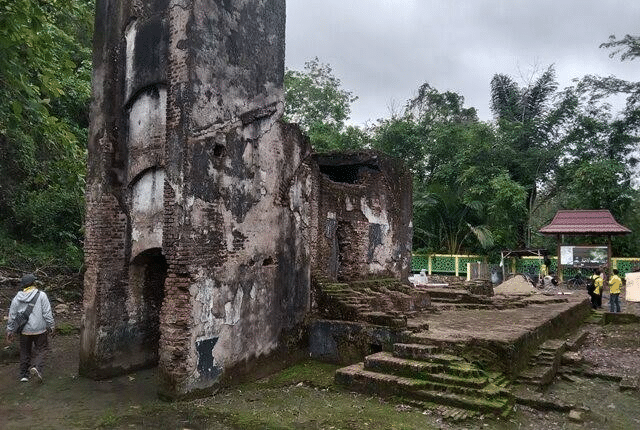
Located in South Kalimantan, Meratus Geopark is another geological treasure that earned its place in the UNESCO Global Geoparks Network. The territory includes Banjarbaru, Banjarmasin, Hulu Sungai Selatan, Tapin, Barito Kuala, and Banjar.
The Meratus Mountains are the result of ancient tectonic activity and contain ophiolite rocks from ultramafic, metamorphic, and mélange groups. These geological processes created diverse landscapes that include vast tropical rainforests and rolling green hills, as well as unique ecosystems with endemic flora like orchids and fauna such as the proboscis monkey.
With its combination of geology, biodiversity, and culture, Meratus Geopark stands as a world-class destination and a symbol of Indonesia’s commitment to sustainable tourism and heritage preservation.
Geoparks and Indonesia’s Global Diplomacy
The recognition of Kebumen and Meratus strengthens Indonesia’s voice in cultural and environmental diplomacy, while directly supporting the United Nations Sustainable Development Goals (SDGs). Geoparks contribute to climate action, biodiversity protection, and sustainable communities by integrating conservation with education and community empowerment.
Economically, geoparks drive regional tourism, green investment, and job creation, while socially they encourage local entrepreneurship, cultural promotion, and eco-friendly businesses. The challenge remains in balancing development with conservation, but Indonesia’s geoparks are proving that both can coexist when communities are at the center.
With this recognition, Indonesia now hosts 12 UNESCO Global Geoparks, placing it among the top countries in the world for recognized sites. Alongside Kebumen and Meratus, the list includes Batur, Belitong, Ciletuh, Gunung Sewu, Ijen, Maros Pangkep, Merangin Jambi, Raja Ampat, Rinjani Lombok, and Toba Caldera Geopark. Each geopark tells a unique story of Earth’s history, while contributing to conservation, education, and sustainable growth.
Writer: Farsya Sabila
Editor: Tesalonika Kristianti
Our previous article: A Love Letter to the Indonesia of True Independence