Content Writer
Tourism power has become a vital tool for public diplomacy in today’s interconnected world. More than just leisure, tourism acts as a bridge between nations—facilitating cultural exchange, building trust, and shaping how a country is perceived on the global stage.
Public diplomacy refers to the ways in which governments and non-governmental actors engage foreign publics to influence their perception and understanding. Through tourism, countries are able to present curated narratives, foster cultural understanding, and project soft power.
Tourism in Building Cultural Understanding
Tourism allows countries to share traditions, cuisine, and heritage, helping visitors experience authentic aspects of national identity. These exchanges build trust, improve relationships, and encourage cooperation. When tourists return home with positive impressions, they act as informal ambassadors, spreading favorable narratives and breaking down stereotypes. This demonstrates how tourism power contributes to meaningful people-to-people connections.
Tourism Power and National Image Branding
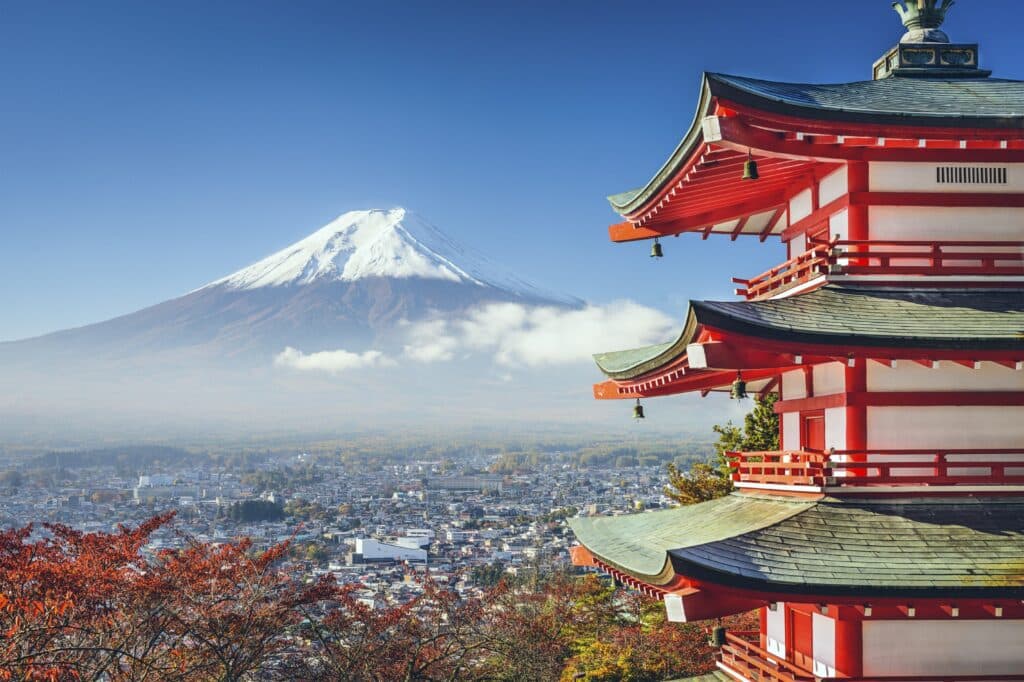
A strong example of tourism-driven diplomacy can be seen in Japan’s cultural branding strategy. By promoting traditional arts, pop culture, cuisine, and heritage sites, Japan not only drives economic growth but also strengthens its global image. Through this approach, tourism power becomes a form of soft power—positioning Japan as peaceful, innovative, and culturally rich, while supporting its diplomatic goals on the world stage.
Moreover, tourism opens doors for collaboration in education, business, and international development. Hosting international visitors enables local communities to play a role in diplomacy at the grassroots level, promoting mutual respect and understanding.
However, the potential of tourism as a tool for diplomacy is not without challenges. Overtourism, cultural misrepresentation, and environmental degradation can undermine these benefits. That’s why sustainable and ethical tourism practices must be at the core of any public diplomacy strategy.
In conclusion, tourism is more than leisure—it is a vital diplomatic tool in an interconnected world. Countries that harness tourism power wisely can strengthen their reputation, build cross-cultural bonds, and support a more cooperative global community.
Writer: Rafi Yusava
Editor: Tesalonika Kristianti