Content Writer
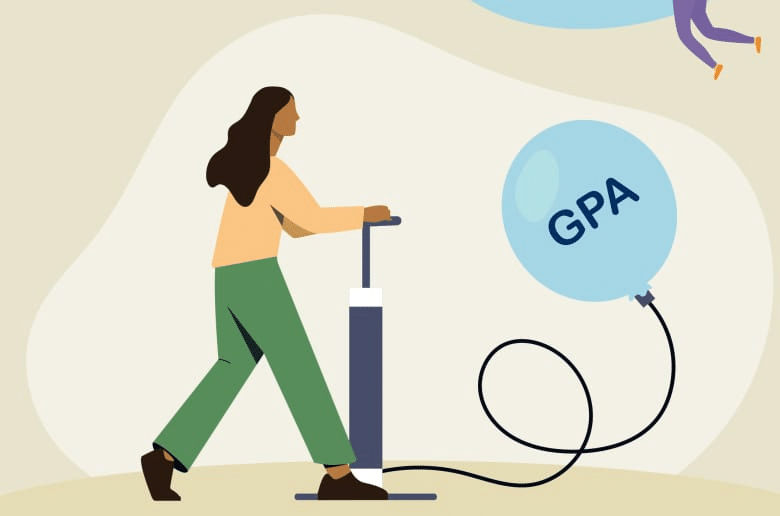
A new semester brings hope. Students look at past grades and mixed reactions inevitably pop up. Many wonder what happened. The phrase “We’ll get back with a better GPA next semester” goes viral. This proves a student’s determination to never give up and its virality tells us that it is a common experience.
Source: https://hechingerreport.org/proof-points-new-evidence-of-high-school-grade-inflation/
However, hope needs action, words need work, and plans need effort. Therefore, understanding this phrase helps to guide students forward. The journey to improvement begins with acknowledging where we stand and committing to meaningful change.
Understanding GPA and the Viral Phrase
Why GPA Matters
GPA is relevant in many ways, such as scholarships, companies, internships, and graduate schools. Nevertheless, GPA is not everything. Many successful people had average grades. Skills matter too. Experience builds character. Personality opens doors. The pressure of parents who want excellence and a fierce, competitive society causes students immense stress.
This stress hurts health. Students feel anxious. They lose sleep. Some get depressed. Therefore, balance is crucial. Finding equilibrium between academic excellence and personal wellbeing creates sustainable success rather than temporary achievement followed by burnout.
What the Phrase Means
Social media created this trend. Students posted grades honestly. They made jokes. Others joined in. The phrase became popular. First, it shows acceptance. Students face reality. They see truth clearly. Acceptance helps move forward. Second, it brings hope. Students believe in improvement. They trust themselves. They plan better. Hope fuels motivation. Third, it shows commitment. Students promise to try. They will study more, change methods, and ultimately, refuse to quit.
However, some misuse it. Students may make excuses, procrastinate, and avoid responsibility. This helps nobody. Instead, use it right. Let it inspire action. Make real changes. Use it as fuel. The phrase works best when it marks the beginning of genuine transformation rather than empty promises.
Mental Health Matters
Academic pressure creates problems. Research shows 70 percent feel stress. Many feel overwhelmed. Some have anxiety. Others face depression. Mental health affects grades directly. Stressed students cannot focus. Anxious minds forget things. Depressed people lack motivation. Therefore, health improves grades. Moreover, the pandemic changed everything. Online learning brought challenges. Isolation increased loneliness. Screen time caused fatigue. Many still struggle.
Organizations help students now, University centers support students. Seeking help shows strength. Furthermore, self-care practices help. Sleep improves memory. Good food boosts brains. Exercise reduces stress. Breaks prevent burnout. Remember this always. Grades do not define you. Your worth exceeds numbers. Efforts count more. Growth happens through struggles.
Source: https://isbpanthernation.com/1506/news/the-mysterious-disappearance-of-the-gpa/
Practical Steps to Improve Your GPA
Create a Realistic Plan
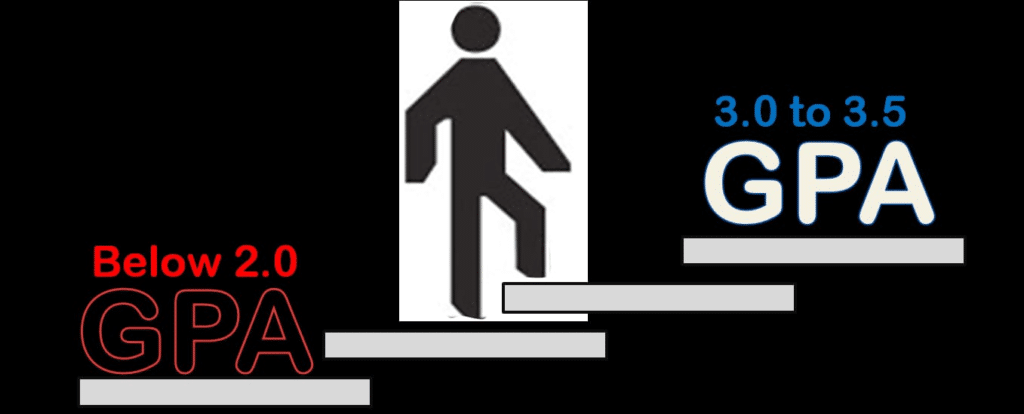
Starting fresh needs plans. First, review past mistakes. Find weak subjects. Notice hard times. Understand why topics felt difficult. Next, set achievable goals. Do not aim too high. Gradual improvement works better. Consistency beats intensity. Small efforts add up. For example, pick one subject. Choose the hardest course. Improve by one grade. Then move forward. This prevents feeling overwhelmed.
Additionally, write goals down. Make them specific. Set realistic deadlines. Track progress weekly. Adjust when needed. Research proves this works. Students with goals score higher. They feel more motivated. They stay focused better. Therefore, planning builds success. Clear direction transforms vague wishes into concrete achievements.
Master Study Techniques
Everyone learns differently. Some prefer visuals. Others like audio. Many need practice. Finding your style helps. Experiment with methods first. Try different techniques. See what works. Keep good methods. Drop bad ones. Active learning beats reading. Take notes while studying. Summarize key points. Explain concepts aloud. Teaching reinforces understanding. Furthermore, use proven techniques. The Pomodoro method works well. Study for 25 minutes. Take 5-minute breaks. Repeat four times. Then rest 30 minutes.
Spaced repetition helps memory. Review within 24 hours. Revisit after one week. Check after one month. This embeds information deeply. Moreover, create good environments. Find quiet spaces. Keep desks organized. Use good lighting. Remove phone distractions. Join study groups too. Discuss difficult topics. Quiz each other. Share resources freely. Collaboration reveals new ideas. Working together multiplies individual efforts and creates accountability that keeps everyone on track.
Build Better Habits
Success comes from habits. Time management is crucial. Create weekly schedules. Include all classes. Block study time. Prioritize tasks wisely. Handle hard work first. Do easy tasks later. Break big projects down. This stops procrastination. Additionally, attend every class. Professors explain concepts better. Participation improves understanding. You ask questions immediately. Missing creates gaps. Furthermore, start assignments early. Do not wait. Early starts reduce stress. You have revision time. Quality needs time. Avoid multitasking completely. Focus on one thing. Your brain works better. Switching wastes time. Deep focus produces results.
Moreover, use campus resources. Libraries offer quiet spaces. Tutoring centers help free. Writing labs improve papers. Counseling supports health. Attend office hours always. Professors appreciate effort. They explain patiently. They clarify concepts. This shows commitment. Take care of health. Sleep seven hours nightly. Eat balanced meals. Exercise 30 minutes daily. Drink enough water. Limit social media use. Apps distract deeply. They fragment attention. Set specific times. Use blocking apps.
Celebrate small wins always. Understand difficult concepts? Acknowledge it proudly. Finish assignments early? Reward yourself appropriately. Positivity builds motivation. Stay patient with progress. Change takes time. Improvement happens gradually. Trust the process. Compare to past self. Indonesian research confirms this. UI studies show time management helps. UGM research proves active learning works. ITB data supports spaced repetition. Therefore, science backs this. Remember that setbacks happen. Bad scores do not define you. Failed exams are not the end. Learn from mistakes. Resilience matters most. Keep refining strategies always. What works now might change. Stay flexible always. Seek feedback regularly. Continuous improvement is key.
Moving Forward with Confidence
“We’ll get back with a better GPA next semester” begins today. Not tomorrow. Not next week. Right now. Take your first step. Open your textbook. Review your schedule. Set one small goal. Action creates momentum. Furthermore, believe in yourself. You can improve. You have strength. Past struggles taught lessons. Use that knowledge. Thousands share your experience. They feel the same pressure, face similar challenges, yet they hope too. Therefore, you are not alone. Support each other always. Share study strategies. Encourage struggling friends. Build strong communities. Collaboration makes everyone stronger.
Moreover, enjoy learning itself. Curiosity makes studying interesting. Growth happens through challenges. Celebrate progress always. Education shapes who you become. This semester belongs to you. Shape it with choices. Work hard. Study smart. Take care of yourself. Balance creates success. Success requires patience. Results do not appear instantly. Trust consistent actions. Small improvements compound. Your future self will thank you.
Finally, remember why you started. What dreams motivated you? What goals drive you? Reconnect with purpose regularly. Passion fuels perseverance. The phrase carries power. It shows determination, resilience and keeps hope alive, while demonstrating strength. However, words need action. Promises need effort. Goals need work. Change needs commitment. Start now. Your success begins now. Believe in yourself. Stay consistent. Seek help. Success is possible.
Visit our homepage for more articles: indonesiayouthfoundation.org
Writer: Zulfa Zahro
Editor: Secia Lie