Content Writer
 (Jakarta, July 26, 2025) IYF’s representatives voice youth climate vision at INZS 2025, Indonesia’s top net-zero summit.
The delegates were President Rainasyia Zafira, Secia Lie, and Annisa Bunga Maharani. INZS is the country’s largest climate leadership forum this year. The summit took place at Djakarta Theater under the theme “Raising Indonesia’s Game: Staying Climate-Focused in Times of Great Distraction.” It gathered key stakeholders from policy, industry, academia, civil society, and youth worldwide.
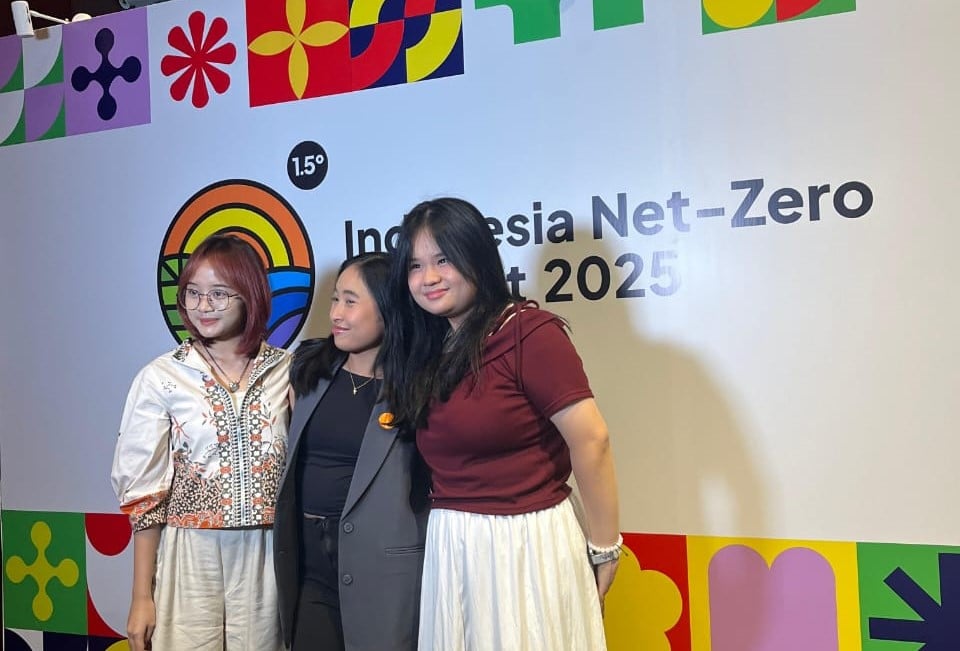
Youth Leaders Share INZS 2025 Experiences
INZS 2025 was more than just a policy meeting. It gave young people, including IYF, a chance to raise awareness about climate issues. The event also encouraged real solutions that cross borders. These solutions rely on working together, new digital tools, and young people taking action locally that matters globally.
“Being part of IYF has opened doors to empowering events that align with my passion,” shared Secia. “More than just events, I’m grateful for the chance to serve. As a representative at INZS, I was able to share my experience with those around me.”
Meanwhile, Annisa Bunga Maharani highlighted the role of technology in amplifying youth-led climate initiatives. “Honestly, digital innovation is kind of our superpower,” she said. She emphasized that youth today use tech not just for entertainment but also to organize clean-up movements, launch eco-businesses, and raise awareness that actually moves people.
How INZS 2025 Showed Middle Powers Driving Climate Action
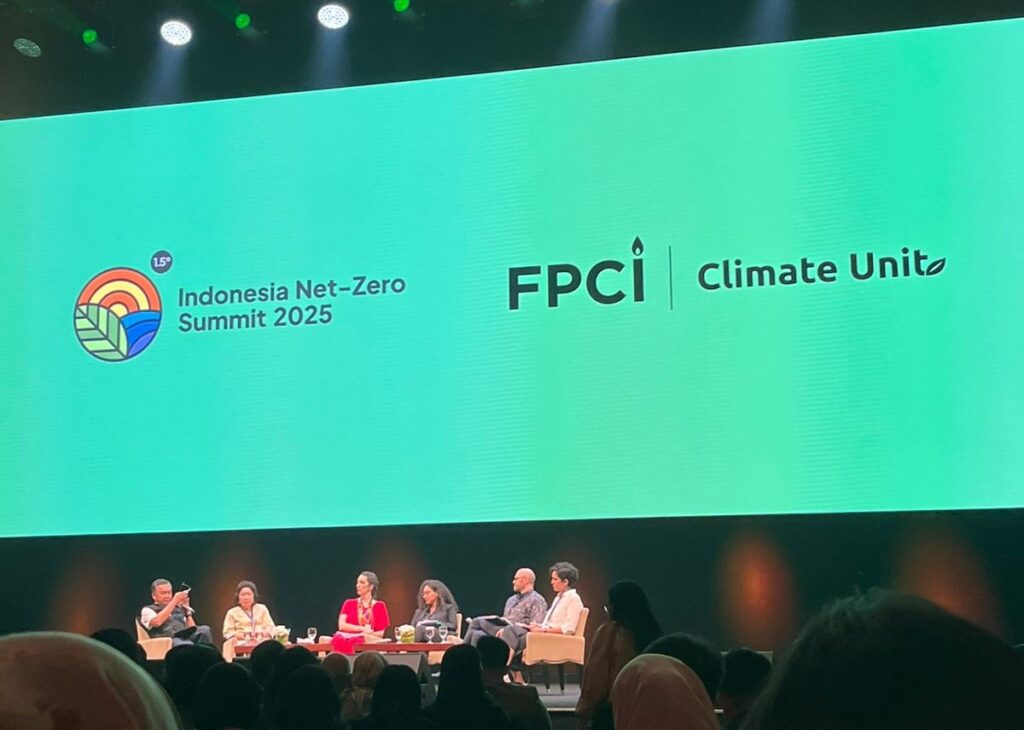
One key session, “Middle Powers Rising! How Countries Turn Climate Action into Growth Engines in the 21st Century,” highlighted the vital role of emerging countries such as Indonesia, Brazil, Turkey, Australia, and South Africa. These nations, often called middle powers, play a strategic role in global climate negotiations.
Secia described the session as ambitious, bold, and adaptive. She stressed that these nations can lead with cooperation and balance. “Don’t let the word ‘middle’ fool you. We have immense potential to lead,” she said.
Speaker Lauren Hermanus emphasized that climate ambition should not feel like a burden. Instead, it serves as an opportunity to foster growth, build resilience, and expand global influence. She drew compelling parallels between Brazil and Indonesia in their climate transitions.
Indonesia’s Energy Transition: Challenges and Opportunities
Another session, “Hopefully This Time Will Be Better: Gaspol Clean Energy Transition,” delved into Indonesia’s evolving energy landscape. One speaker compared the transition to “a vehicle speeding forward with the handbrake still on”—highlighting the urgency of policy reform and infrastructure alignment.
Secia noted that while the pace is accelerating, the road ahead remains challenging. The session also spotlighted the need for USD 188 million in clean energy investments, the importance of trust-based climate plans, and PLN’s initiative to train 800 renewable energy professionals. She called for broader transformation across sectors and a focus on building local capacity. “We should not only buy technology, but also develop it ourselves. That’s sustainability,” she said.
IYF’s presence at INZS 2025 reaffirmed the idea that youth are not just voices to be heard, they are leaders in their own right, offering fresh solutions to urgent global issues. As Bunga powerfully put it, “Start from where you are, and with what you have. Don’t wait for permission to care. The planet needs us now.”
To learn more about how Indonesian youth are influencing climate policy and driving sustainability, visit the IYF website and join the movement for a greener future.
On The Downfall of X, Elon Musk Plans to Charge New Users to Enable Interaction