Content Writer
Every morning in many schools, teachers welcome children who arrive with different ways of seeing, moving, or understanding the world. Some children walk into class with a guide from their parents and others bring assistive tools. Some simply carry a letter from the school that explains their learning needs. Scenes like this appear more often as Indonesia expands its commitment to inclusive education.
Moreover, government data reported by Antara News showed that more than 40.000 schools had already opened their doors to students with special needs in 2023. This number rose sharply from the previous years. It signaled that inclusive education was no longer a small or experimental initiative. It was becoming a national movement that involved teachers, parents, and regional education offices.
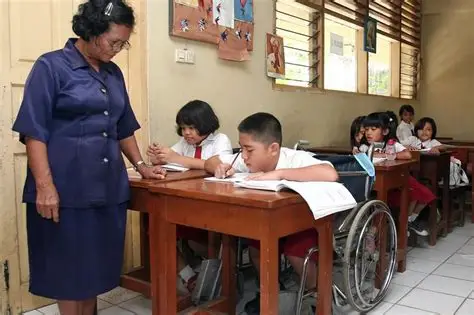
Source: lampung.idtimes.com
In April 2024, the Ministry of Education, Culture, Research, and Technology explained that more than 40.000 formal education units had children with special needs studying in regular classrooms. Yet, fewer than six thousand schools had teachers who were specifically trained to guide them. This meant generally, classroom teachers were the first adults who had to understand varied learning needs and adjust lessons, while still managing a full class.
National Data Reflects Stronger Commitment to Inclusive Education Across Indonesia
Furthermore, reports from Antara News described that the government was aware of this gap. In August 2025, the Ministry of Primary and Secondary Education released an official statement calling for stronger and more active Disability Service Units. These units were created to help schools assess student needs, provide consultation for teachers, and work with parents so that children received the support they deserved. The Ministry also placed the idea of quality education for all at the center of its message.
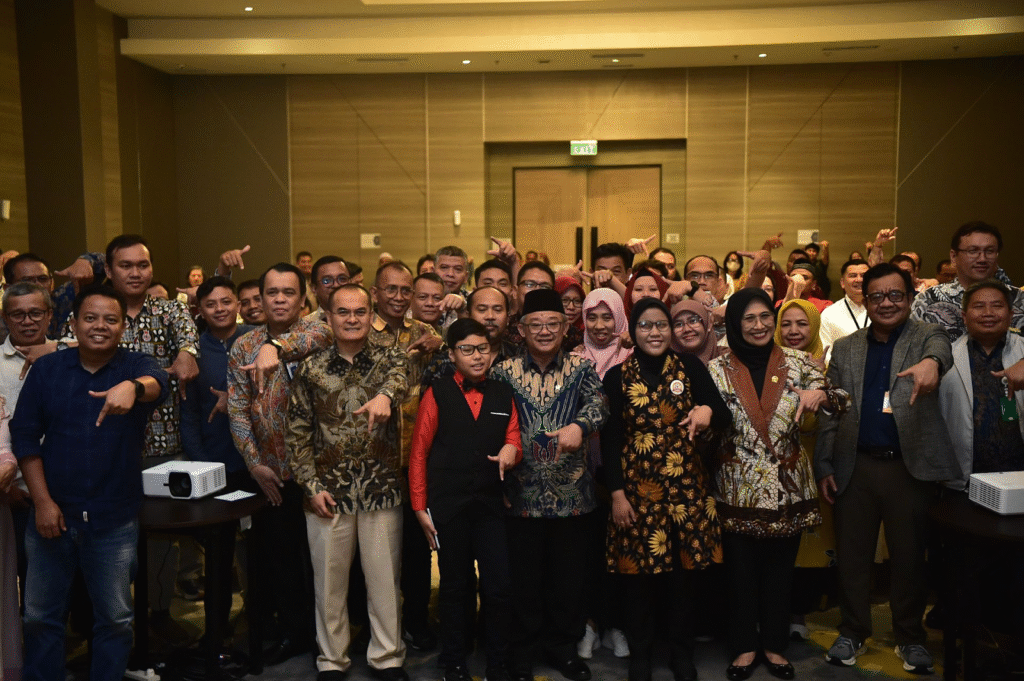
Source: Kemendikdasmen
However, behind the statistics there are many quiet struggles. Teachers often learn by doing because formal training is not always available. Some schools still have uneven access to ramps, accessible toilets, or learning aids. Observers quoted by Voi News noted that teachers in regular classrooms frequently rely on creativity and peer support to keep students with different abilities engaged. A child with hearing difficulties might sit close to the front. A child with slower reading ability might receive extra time after class. These small adjustments show the effort teachers make in the absence of large structural solutions.
Despite these challenges many educators express hope. The presence of students with special needs has changed classroom culture in positive ways. Children learn patience when they help classmates who take longer to finish tasks. They learn empathy when they watch their friends try to overcome obstacles. They learn to see difference not as a barrier but as a natural part of their community.
The story of inclusive education in Indonesia continues to grow. It is shaped by official policies, rising numbers of inclusive schools, and the persistence of teachers who adapt lesson after lesson for their students. The commitment expressed in recent ministry statements suggests that the government intends to support this effort through active Disability Service Units and ongoing policy attention. The long journey toward equal education for every child is far from complete, yet each small step inside every classroom brings the country closer to that goal.
Visit our homepage for more articles: https://indonesiayouthfoundation.org
Writer: Angeli Ramadhani
Editor: Secia Lie